


Hey there! As a supplier of Outdoor Wallboards, I often get asked a bunch of questions from potential customers. One question that pops up quite a bit is, "Are outdoor wallboards resistant to salt air?" Well, let's dig into this topic and find out.
First off, what exactly is salt air? Salt air is basically air that contains tiny particles of salt. It's commonly found in coastal areas where the ocean waves break, and the salt from the seawater gets carried into the air. This salt - laden air can be pretty harsh on a lot of materials, including building materials like outdoor wallboards.

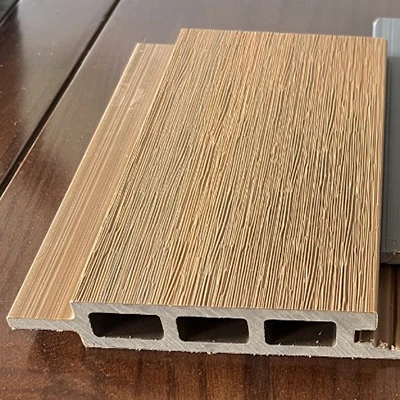
Now, when it comes to outdoor wallboards, not all of them are created equal. Some are more resistant to salt air than others. The resistance of outdoor wallboards to salt air mainly depends on the materials they're made of and the manufacturing processes used.
Let's talk about the materials. There are several types of materials used to make outdoor wallboards. Wood is a classic choice. It gives a natural and warm look to the exterior of a building. However, wood is generally not very resistant to salt air. Salt can cause the wood to rot, warp, and discolor over time. The salt particles can penetrate the wood fibers, leading to structural damage. So, if you're in a coastal area with high - salt air, wood wallboards might not be the best option.
On the other hand, there are composite wallboards. These are made by combining different materials, like wood fibers and plastic polymers. Composite wallboards tend to be more resistant to salt air compared to pure wood. The plastic component acts as a barrier, preventing the salt from easily penetrating the board. They are also less likely to rot or warp. But it's important to note that the quality of composite wallboards can vary. Some lower - quality composites might still be affected by salt air over a long period.
Fiber cement wallboards are another popular choice. They are made from a mixture of cement, sand, and cellulose fibers. Fiber cement is known for its durability and resistance to various environmental factors, including salt air. The cement matrix in these wallboards provides a strong and stable structure that can withstand the corrosive effects of salt. They are also fire - resistant and low - maintenance, which makes them a great option for outdoor use in coastal regions.
Metal wallboards, such as aluminum or steel, are also used outdoors. Aluminum is naturally resistant to corrosion because it forms a thin oxide layer on its surface when exposed to air. This layer protects the metal from further oxidation and the effects of salt air. Steel, however, needs to be properly coated to be resistant to salt air. If the coating is damaged, the steel can rust quickly in a salt - rich environment.
Now, let's talk about the manufacturing processes. A well - made outdoor wallboard will have undergone certain treatments to enhance its resistance to salt air. For example, some wallboards are treated with special sealants or coatings. These coatings can act as a protective shield, preventing the salt from coming into direct contact with the board. The quality of the coating matters a lot. A high - quality, thick coating will provide better protection than a thin or low - quality one.
Another manufacturing factor is the density of the wallboard. A denser wallboard is generally more resistant to salt air. The tight structure of a dense board makes it harder for salt particles to penetrate. During the manufacturing process, the pressure and heat applied can affect the density of the board.
So, how can you tell if an outdoor wallboard is resistant to salt air? Well, one way is to look at the product specifications provided by the manufacturer. Reputable manufacturers will usually state the board's resistance to environmental factors, including salt air. You can also ask for samples and do your own tests. For example, you can expose a small piece of the wallboard to a salt - air environment (simulated in a laboratory or in a coastal area) and see how it performs over time.
If you're considering using outdoor wallboards in a coastal area, it's also a good idea to consult with a professional. An architect or a contractor who has experience working in coastal regions can give you valuable advice on the best type of wallboard for your project. They can also recommend proper installation techniques to ensure the wallboards last as long as possible.
At our company, we offer a wide range of Outdoor Wallboard options. We understand the importance of salt - air resistance, especially for customers in coastal areas. That's why we carefully select the materials and manufacturing processes for our wallboards. Our composite and fiber cement wallboards are specifically designed to withstand the harsh conditions of salt air.
We also offer 3d Wall Tile for those who want to add a unique and stylish touch to their outdoor spaces. These tiles are not only aesthetically pleasing but also durable and can be used in salt - air environments with proper care.
If you're interested in our outdoor wallboards or 3D wall tiles, we'd love to have a chat with you. Whether you're building a new coastal home or renovating an existing one, we can help you find the right wallboard solution for your needs. Contact us today to start the conversation about your project. We're here to provide you with high - quality products and excellent customer service.
In conclusion, while not all outdoor wallboards are resistant to salt air, there are definitely options available that can withstand the corrosive effects of salt. By choosing the right material, considering the manufacturing processes, and following proper installation and maintenance procedures, you can have beautiful and durable outdoor wallboards in coastal areas.
References
- Building Materials Handbook: A Guide to Durability in Coastal Environments
- Outdoor Wallboard Industry Reports on Environmental Resistance