


Hey there! As a wall panel supplier, I've seen firsthand how a humid environment can take a toll on wall panels. Whether it's a bathroom, a basement, or a coastal home, moisture can lead to all sorts of problems like mold, mildew, warping, and peeling. But don't worry, I'm here to share some tips on how to care for your wall panels in a humid environment.
Understanding the Impact of Humidity on Wall Panels
Before we dive into the care tips, let's first understand how humidity affects wall panels. When the air is humid, it contains a lot of water vapor. This water vapor can seep into the wall panels, causing them to absorb moisture. Over time, this can lead to a variety of issues:
- Mold and Mildew Growth: Mold and mildew thrive in damp, dark environments. When wall panels absorb moisture, they create the perfect breeding ground for these fungi. Not only do they look unsightly, but they can also pose health risks, especially for people with allergies or respiratory problems.
- Warping and Buckling: Wood and some composite wall panels are particularly susceptible to warping and buckling when exposed to moisture. As the panels absorb water, they expand, and when they dry out, they contract. This constant expansion and contraction can cause the panels to warp or buckle, making them uneven and less stable.
- Peeling and Delamination: Humidity can also cause the adhesive used to attach wall panels to the wall to break down, leading to peeling and delamination. This is especially common in areas with high humidity and temperature fluctuations, such as bathrooms and kitchens.
Choosing the Right Wall Panels for a Humid Environment
The first step in caring for wall panels in a humid environment is to choose the right type of panels in the first place. Not all wall panels are created equal, and some are better suited for humid conditions than others. Here are some options to consider:
- PVC Wall Panels: PVC (polyvinyl chloride) wall panels are a popular choice for humid environments because they are waterproof, moisture-resistant, and easy to clean. They are also available in a wide range of styles and colors, making them a versatile option for any room. Check out our Outdoor Wallboard for some great PVC options.
- Fiberglass Wall Panels: Fiberglass wall panels are another good choice for humid environments. They are resistant to moisture, mold, and mildew, and they are also lightweight and easy to install. Fiberglass panels are often used in commercial settings, such as hospitals and restaurants, but they can also be used in residential bathrooms and kitchens.
- Ceramic Tiles: Ceramic tiles are a classic choice for bathrooms and kitchens because they are waterproof, durable, and easy to clean. They are available in a wide range of sizes, shapes, and colors, making them a versatile option for any design style. If you're looking for a more unique look, check out our 3d Wall Tile.
Preventing Moisture from Reaching the Wall Panels
Once you've chosen the right wall panels for your humid environment, the next step is to prevent moisture from reaching the panels in the first place. Here are some tips to help you do that:
- Use a Dehumidifier: A dehumidifier is a great way to reduce the humidity levels in your home. It works by removing excess moisture from the air, which can help prevent mold and mildew growth on your wall panels. Make sure to place the dehumidifier in the room where the humidity is the highest, such as the bathroom or basement.
- Ventilate the Room: Proper ventilation is essential for preventing moisture buildup in a room. Make sure to open windows and doors regularly to allow fresh air to circulate. You can also install a ventilation fan in the bathroom or kitchen to help remove moisture from the air.
- Seal Cracks and Gaps: Cracks and gaps in the walls and floors can allow moisture to seep into the wall panels. Make sure to seal any cracks or gaps with caulk or weatherstripping to prevent moisture from getting in.
- Avoid Hanging Wet Clothes Indoors: Hanging wet clothes indoors can increase the humidity levels in your home, which can lead to mold and mildew growth on your wall panels. Instead, hang your wet clothes outside or in a well-ventilated area.
Cleaning and Maintaining Wall Panels in a Humid Environment
Even if you take all the necessary precautions to prevent moisture from reaching your wall panels, it's still important to clean and maintain them regularly to keep them looking their best. Here are some tips on how to clean and maintain wall panels in a humid environment:
- Clean Regularly: Regular cleaning is essential for preventing mold and mildew growth on your wall panels. Use a mild detergent and warm water to clean the panels, and make sure to rinse them thoroughly with clean water. Avoid using abrasive cleaners or scrubbers, as they can damage the surface of the panels.
- Dry Immediately: After cleaning the wall panels, make sure to dry them immediately with a clean towel or cloth. This will help prevent moisture from lingering on the panels, which can lead to mold and mildew growth.
- Inspect Regularly: Regular inspections are important for detecting any signs of damage or moisture buildup on your wall panels. Look for signs of mold, mildew, warping, or peeling, and address any issues as soon as possible.
- Repair Damaged Panels: If you notice any damage to your wall panels, such as cracks, chips, or scratches, make sure to repair them as soon as possible. This will help prevent further damage and keep your wall panels looking their best.
Conclusion
Caring for wall panels in a humid environment requires a combination of prevention, maintenance, and regular cleaning. By choosing the right type of wall panels, preventing moisture from reaching the panels, and cleaning and maintaining them regularly, you can keep your wall panels looking their best for years to come.

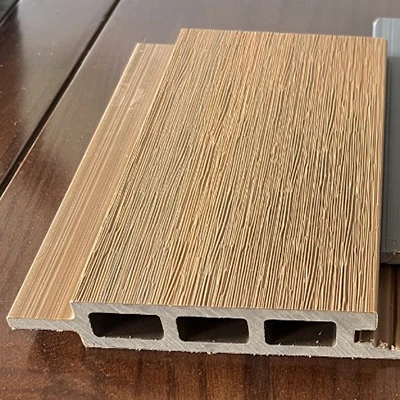
If you're in the market for wall panels for a humid environment, I'd love to help. As a wall panel supplier, I have a wide range of options to choose from, and I can help you find the perfect panels for your needs and budget. Just reach out to me, and we can start the conversation about your wall panel project.
References
- "How to Prevent Mold and Mildew in Your Home." EPA.
- "Choosing the Right Wall Panels for Your Home." HomeAdvisor.
- "Maintaining Wall Panels in a Humid Environment." DIY Network.