


Hey there, fellow pet lovers and home decor enthusiasts! As a supplier of 3d Wall Tile, I often get asked about the safety of these trendy tiles when it comes to our furry friends. So, I thought I'd dive deep into this topic and share some insights with you.
First off, let's talk about what 3D wall tiles are. These tiles are a great way to add a unique and eye - catching element to any room. They come in various designs, textures, and materials, from lightweight foam to more durable ceramic or PVC. But when it comes to our pets, we need to consider a few key factors.
Material Safety
The material of the 3D wall tile is crucial when assessing its safety for pets.

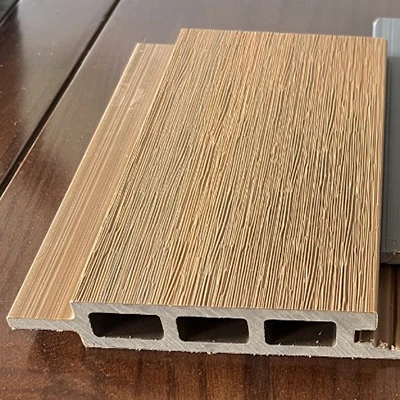
Foam Tiles
Foam 3D wall tiles are super popular because they're lightweight and easy to install. They're also relatively inexpensive. However, if your pet has a habit of chewing on things, foam tiles can be a concern. If a pet chews off a piece of foam, it could potentially cause an intestinal blockage if swallowed. This can be a life - threatening situation, so it's important to keep an eye on your pet around foam tiles.
On the bright side, most high - quality foam tiles are made from non - toxic materials. So, if your pet just licks or sniffs the tile, there shouldn't be any immediate health risks. But to be on the safe side, you might want to train your pet to stay away from the tiled areas or use a pet - proof barrier.
Ceramic Tiles
Ceramic 3D wall tiles are a more solid and durable option. They're generally safe for pets as they're non - toxic and don't have any small parts that can be chewed off. However, if a tile were to break, the sharp edges could pose a cut risk to your pet. Make sure the tiles are properly installed to minimize the chances of breakage. If you have a particularly rambunctious pet that likes to jump or run into walls, you might want to consider adding some padding around the edges of the tiled area.
PVC Tiles
PVC (polyvinyl chloride) 3D wall tiles are another common choice. Most modern PVC tiles are made to be safe and non - toxic. However, some older or lower - quality PVC products might contain harmful chemicals like phthalates, which can be released over time. When choosing PVC 3D wall tiles, look for products that are labeled as pet - friendly and meet safety standards.
Installation and Stability
The way the 3D wall tiles are installed is also important for pet safety.
If the tiles aren't installed correctly, they could come loose. A loose tile can be a choking hazard if a pet tries to play with it. Make sure the installation is done by a professional or follow the installation instructions carefully if you're doing it yourself.
Also, consider the height at which the tiles are installed. If you have a small pet like a guinea pig or a kitten, make sure the tiles are installed high enough so that they can't reach and potentially damage them.
Chemicals and Finishes
Some 3D wall tiles come with special finishes or coatings. These can include paints, sealants, or adhesives.
When these products are fresh, they might emit volatile organic compounds (VOCs). VOCs can cause respiratory problems, eye irritation, and other health issues in pets. Before installing the tiles, make sure the room is well - ventilated. Let the tiles air out for a few days if possible to allow any harmful chemicals to dissipate.
Choose tiles with low - VOC or no - VOC finishes. You can usually find this information on the product label or by asking the supplier.
Impact on Pet Behavior
3D wall tiles can also have an impact on your pet's behavior. The unique textures and patterns might attract your pet's attention. Some pets might be curious and try to explore the tiles.
For example, cats are known for their love of climbing and scratching. A textured 3D wall tile might look like an interesting scratching post to them. To prevent damage to the tiles and keep your cat happy, provide a proper scratching post nearby.
Dogs, on the other hand, might bark at their reflection in shiny 3D tiles. If this becomes a problem, you might want to adjust the lighting in the room or cover the tiles temporarily until your dog gets used to them.
Outdoor Considerations
If you're thinking about using Outdoor Wallboard or 3D wall tiles in an outdoor area where your pet spends time, there are a few extra things to keep in mind.
Outdoor tiles are exposed to the elements, which means they can get dirty, moldy, or slippery. Mold can be harmful to your pet's health, especially if they have respiratory issues. Regularly clean and inspect the outdoor tiles to prevent mold growth.
Also, make sure the outdoor tiles are made from materials that can withstand the weather and won't break or deteriorate easily. This will reduce the risk of your pet getting injured by loose or broken tiles.
Conclusion
So, are 3D wall tiles safe for pets? The answer is that it depends. With the right choice of materials, proper installation, and a bit of pet - proofing, 3D wall tiles can be a safe and stylish addition to your home.
As a 3d Wall Tile supplier, I'm always here to help you choose the best tiles for your needs. If you're interested in purchasing our 3D wall tiles or have any questions about pet safety and our products, feel free to reach out. We can discuss your specific situation and recommend the most suitable tiles for your home and your furry friend.
Let's create a beautiful and safe space for both you and your pets!
References
- "Pet - Friendly Home Decor" by various authors, Home Decor Magazine, 2022.
- "Safety Standards for Building Materials" by the National Building Association, 2023.
- "Understanding VOCs and Their Impact on Pets" by the Pet Health Institute, 2022.