


Hey there! As a supplier of 3D wall tiles, I often get asked this question: "Are 3D wall tiles sound - absorbing?" Well, let's dig into this topic and find out the answer.
First off, let's understand what 3D wall tiles are. These are tiles that have a three - dimensional design, which can add a lot of visual interest to any space. You can check out our 3D Wall Tile collection to get a better idea of the variety we offer. They come in different shapes, sizes, and materials, and can be used in both indoor and outdoor settings.

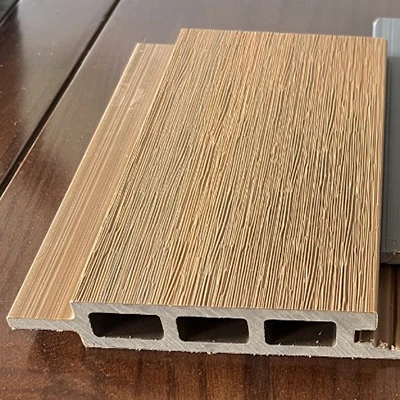
Now, when it comes to sound absorption, it's all about how a material interacts with sound waves. Sound waves are basically vibrations in the air, and when they hit a surface, they can either be reflected, absorbed, or transmitted through the material.
Some factors determine whether a 3D wall tile can absorb sound. One of the key factors is the material. For example, if the 3D wall tile is made of porous materials, it has a better chance of being sound - absorbing. Porous materials have tiny holes and spaces within them. When sound waves hit these materials, they get trapped in these pores. As the sound waves move through the pores, they lose energy due to friction with the walls of the pores, and this results in sound absorption.
Let's say we have a 3D wall tile made of a foam - like material. Foam is a well - known sound - absorbing material because of its porous structure. The 3D design of the tile can also enhance the sound - absorbing effect. The irregular surfaces in 3D tiles can scatter the sound waves. When sound waves hit these irregular surfaces, they bounce off in different directions. This scattering reduces the intensity of the sound and can contribute to overall sound absorption.
However, not all 3D wall tiles are sound - absorbing. If a tile is made of a hard, non - porous material like ceramic or glass, it's more likely to reflect sound rather than absorb it. Ceramic tiles are very dense and smooth, so sound waves just bounce right off them.
Another factor to consider is the thickness of the tile. Generally, thicker tiles have a better chance of absorbing sound. A thicker tile provides more material for the sound waves to interact with, and more opportunities for the sound energy to be dissipated.
Let's talk about some real - world applications. In a home theater, sound absorption is crucial. You want to create an environment where the sound is clear and not distorted by echoes. Using 3D wall tiles made of sound - absorbing materials can really make a difference. The 3D design can add a stylish look to the theater, while also helping to control the sound.
In an office space, noise can be a big distraction. By installing sound - absorbing 3D wall tiles, you can reduce the noise level and create a more productive work environment. The tiles can absorb the sound from conversations, phone calls, and other office noises.
Now, if you're thinking about using 3D wall tiles for outdoor spaces, we also have a great selection of Outdoor Wallboard. Outdoor spaces can have a lot of noise from traffic, people, and other environmental factors. Sound - absorbing 3D wall tiles can help to create a more peaceful outdoor area, like a patio or a garden room.
But how do you know if a 3D wall tile is sound - absorbing? Well, one way is to look at the product specifications. Reputable manufacturers usually provide information about the sound - absorption coefficient of their tiles. The sound - absorption coefficient is a number that ranges from 0 to 1. A coefficient of 0 means the material reflects all the sound, while a coefficient of 1 means the material absorbs all the sound. A coefficient of 0.5 or higher is generally considered good for sound absorption.
You can also do a simple test at home. Place a small speaker near the tile and play some music or a test tone. Then, listen carefully to how the sound behaves. If there's a significant reduction in echoes or the sound seems softer, it's a sign that the tile is absorbing some sound.
As a supplier, I can tell you that we're constantly researching and developing new 3D wall tile products with better sound - absorbing properties. We work with different materials and designs to find the perfect combination.
If you're interested in our 3D wall tiles, whether for sound absorption or just for their aesthetic appeal, don't hesitate to reach out. We're here to help you choose the right tiles for your project. We can provide samples so you can see and test the tiles for yourself.
In conclusion, 3D wall tiles can be sound - absorbing, but it depends on the material, design, and thickness. If you're looking for a way to add style and improve the acoustics of your space, 3D wall tiles are definitely worth considering. So, if you're in the market for 3D wall tiles, contact us and let's start a conversation about your project.
References
- Physics textbooks on acoustics
- Industry reports on building materials and their acoustic properties