


In the dynamic landscape of industrial development, the choice of outdoor wallboards is a critical decision that can significantly impact the longevity, functionality, and aesthetics of industrial structures. As a leading supplier of Outdoor Wallboard, I've witnessed firsthand the diverse requirements and challenges faced by industrial clients. In this blog, I'll delve into the durability of outdoor wallboards in industrial areas, exploring the key factors that influence their performance and offering insights to help you make informed decisions for your projects.
Understanding the Industrial Environment
Industrial areas are characterized by a unique set of environmental conditions that can exert significant stress on outdoor wallboards. These conditions include:
- Extreme Weather Conditions: Industrial sites are often exposed to harsh weather elements, such as intense sunlight, heavy rainfall, strong winds, and extreme temperatures. These conditions can cause the wallboards to expand, contract, warp, or fade over time, leading to premature deterioration.
- Chemical Exposure: Industrial processes may involve the use of chemicals, solvents, and pollutants that can corrode or damage the wallboards. Exposure to acidic or alkaline substances, as well as industrial fumes and gases, can compromise the integrity of the wallboard material and reduce its durability.
- Mechanical Impact: Industrial areas are prone to mechanical impact from equipment, vehicles, and human activity. Wallboards may be subjected to scratches, dents, and abrasions, which can weaken the material and make it more susceptible to damage.
- Biological Growth: Moisture and organic matter can accumulate on outdoor wallboards, providing a suitable environment for the growth of mold, mildew, algae, and other microorganisms. Biological growth not only affects the appearance of the wallboards but can also cause structural damage and pose health risks to occupants.
Factors Affecting the Durability of Outdoor Wallboards
The durability of outdoor wallboards in industrial areas depends on several factors, including the material composition, manufacturing process, installation method, and maintenance practices. Let's take a closer look at each of these factors:
Material Composition
The choice of material is one of the most critical factors in determining the durability of outdoor wallboards. Different materials have varying levels of resistance to weathering, chemical exposure, mechanical impact, and biological growth. Some of the most common materials used for outdoor wallboards in industrial areas include:
- Fiber Cement: Fiber cement wallboards are made from a combination of cement, cellulose fibers, and other additives. They are known for their excellent durability, fire resistance, and resistance to rot, insects, and moisture. Fiber cement wallboards can withstand extreme weather conditions and are suitable for use in a wide range of industrial applications.
- Aluminum Composite Panels (ACP): ACPs consist of two thin aluminum sheets bonded to a core material, typically polyethylene or mineral-filled core. They are lightweight, strong, and resistant to corrosion, making them a popular choice for industrial facades. ACPs can be customized with a variety of finishes and colors to enhance the aesthetic appeal of the building.
- Steel: Steel wallboards are known for their high strength, durability, and resistance to mechanical impact. They are commonly used in industrial buildings where security and protection are a priority. Steel wallboards can be coated with a protective finish to prevent corrosion and enhance their longevity.
- Vinyl: Vinyl wallboards are lightweight, easy to install, and resistant to moisture, rot, and insects. They are available in a variety of colors and styles, making them a popular choice for industrial applications where aesthetics are important. However, vinyl wallboards may not be as durable as other materials in extreme weather conditions or areas with high levels of chemical exposure.
Manufacturing Process
The manufacturing process plays a crucial role in determining the quality and durability of outdoor wallboards. High-quality wallboards are typically manufactured using advanced techniques and strict quality control measures to ensure consistent performance and reliability. Some of the key factors to consider when evaluating the manufacturing process of outdoor wallboards include:
- Material Selection: The quality of the raw materials used in the manufacturing process can significantly impact the durability of the wallboards. Reputable manufacturers use high-quality materials that are specifically designed for outdoor use and have been tested to meet industry standards.
- Production Techniques: Advanced production techniques, such as extrusion, molding, and lamination, can improve the strength, durability, and uniformity of the wallboards. These techniques ensure that the wallboards are free from defects and have consistent properties throughout.
- Quality Control: Rigorous quality control measures are essential to ensure that the wallboards meet the required standards and specifications. Reputable manufacturers conduct extensive testing on their products to ensure that they are resistant to weathering, chemical exposure, mechanical impact, and biological growth.
Installation Method
Proper installation is crucial to ensure the durability and performance of outdoor wallboards in industrial areas. Incorrect installation can lead to a variety of problems, including water infiltration, air leakage, and structural damage. Some of the key factors to consider when installing outdoor wallboards include:
- Surface Preparation: The surface on which the wallboards are installed must be clean, dry, and level. Any dirt, debris, or moisture on the surface can prevent the wallboards from adhering properly and may cause them to delaminate or warp over time.
- Fastening System: The fastening system used to install the wallboards must be appropriate for the type of wallboard and the substrate. The fasteners should be installed at the recommended spacing and depth to ensure a secure and stable installation.
- Sealing and Caulking: Proper sealing and caulking are essential to prevent water infiltration and air leakage around the edges and joints of the wallboards. Sealants and caulks should be applied according to the manufacturer's instructions and should be compatible with the wallboard material.
- Expansion and Contraction: Outdoor wallboards are subject to expansion and contraction due to changes in temperature and humidity. To accommodate these movements, expansion joints should be installed at regular intervals to prevent the wallboards from cracking or buckling.
Maintenance Practices
Regular maintenance is essential to ensure the long-term durability and performance of outdoor wallboards in industrial areas. Proper maintenance can help prevent damage, extend the lifespan of the wallboards, and maintain their aesthetic appeal. Some of the key maintenance practices for outdoor wallboards include:
- Cleaning: Regular cleaning of the wallboards can help remove dirt, debris, and pollutants that can accumulate on the surface over time. Use a mild detergent and water to clean the wallboards, and avoid using abrasive cleaners or tools that can scratch or damage the surface.
- Inspection: Regular inspection of the wallboards can help identify any signs of damage, such as cracks, chips, or delamination. Any damage should be repaired promptly to prevent further deterioration.
- Repairs: Minor damage to the wallboards can often be repaired using patching materials or touch-up paints. More extensive damage may require the replacement of the affected wallboards.
- Sealing and Caulking: Over time, the sealants and caulks around the edges and joints of the wallboards may deteriorate or become damaged. Regular inspection and replacement of the sealants and caulks can help prevent water infiltration and air leakage.
Benefits of Durable Outdoor Wallboards in Industrial Areas
Investing in durable outdoor wallboards for industrial areas offers several benefits, including:
- Longevity: Durable wallboards can withstand the harsh environmental conditions and mechanical stresses typically found in industrial areas, resulting in a longer lifespan and reduced need for frequent replacements.
- Cost Savings: While high-quality outdoor wallboards may have a higher upfront cost, they can provide significant cost savings over the long term by reducing maintenance and replacement costs.
- Enhanced Safety: Durable wallboards can provide a higher level of protection against fire, impact, and other hazards, enhancing the safety of the industrial facility and its occupants.
- Improved Aesthetics: Outdoor wallboards can enhance the aesthetic appeal of industrial buildings, making them more attractive and professional-looking. This can help improve the overall image of the company and increase its property value.
- Environmental Sustainability: Many durable outdoor wallboards are made from sustainable materials and can be recycled at the end of their lifespan, reducing their environmental impact.
Conclusion
The durability of outdoor wallboards in industrial areas is a critical factor that can significantly impact the performance, functionality, and aesthetics of industrial structures. By understanding the key factors that influence the durability of outdoor wallboards, such as material composition, manufacturing process, installation method, and maintenance practices, you can make informed decisions when selecting and installing wallboards for your industrial projects.
As a leading supplier of Outdoor Wallboard, we are committed to providing high-quality, durable wallboards that meet the unique needs and requirements of our industrial clients. Our wallboards are made from the finest materials, using advanced manufacturing techniques and strict quality control measures to ensure consistent performance and reliability.
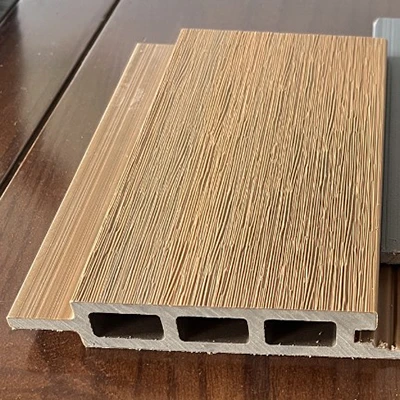

If you're looking for durable outdoor wallboards for your industrial project, we invite you to contact us to discuss your needs and learn more about our products and services. Our team of experts will be happy to provide you with personalized recommendations and assistance to help you make the right choice for your project.
References
- ASTM International. (2023). Standard Test Methods for Evaluating the Durability of Exterior Wall Cladding Systems. ASTM C1592/C1592M-18.
- Building Science Corporation. (2022). Durability of Exterior Wall Assemblies. Retrieved from https://www.buildingscience.com/
- National Association of Home Builders. (2021). Guide to Exterior Wall Systems. Retrieved from https://www.nahb.org/
- Simpson Strong-Tie. (2020). Installation Guide for Exterior Wall Panels. Retrieved from https://www.strongtie.com/