


Hey there! As a stair nose supplier, I often get asked all sorts of questions about using stair noses in different settings. One question that pops up quite a bit is, "Can a stair nose be used on stairs in a residential basement?" Well, let's dive right into it and find out.
First off, let's talk about what a stair nose is. A stair nose is basically a finishing piece that goes on the edge of a stair tread. It serves a few important purposes. For one, it protects the edge of the stair from wear and tear. You know how people's feet constantly hit the edge of the stairs as they go up and down? Over time, that can cause damage to the stair material. A stair nose acts as a buffer, taking the brunt of that impact.
Another reason to use a stair nose is for safety. It provides a smooth transition between the stair tread and the riser, reducing the risk of tripping. And it also gives the stairs a more finished, professional look.
Now, back to the question at hand: using a stair nose in a residential basement. The short answer is yes, you can definitely use a stair nose on basement stairs. But there are a few things you need to consider.
Moisture and Humidity
Basements are notorious for having higher levels of moisture and humidity compared to the rest of the house. This can be a problem if you choose the wrong type of stair nose. For example, if you go with a wooden stair nose, it could warp or rot over time due to the moisture.
That's why I often recommend Luxury Vinyl Stair Nose. Vinyl is a great option for basements because it's waterproof and resistant to moisture. It won't warp, rot, or get damaged by humidity. Plus, it comes in a variety of styles and colors, so you can find one that matches the look of your basement.
Durability
Since basements are often used for storage or as a play area, the stairs in a basement tend to get a lot of traffic. That means you need a stair nose that can withstand the wear and tear. Again, luxury vinyl stair noses are a great choice because they're very durable. They can handle heavy foot traffic without showing signs of damage.
Installation
Installing a stair nose in a basement is pretty similar to installing one in any other part of the house. However, you may need to take a few extra precautions. For example, make sure the stairs are clean and dry before you start the installation. If there's any moisture on the stairs, it could affect the adhesion of the stair nose.
You'll also want to use the right tools and materials for the job. Most luxury vinyl stair noses come with adhesive backing, which makes installation a breeze. Just make sure you follow the manufacturer's instructions carefully.
Aesthetics
Just because it's a basement doesn't mean you can't have stylish stairs. You want the stairs to blend in with the overall look of the basement. That's where the variety of styles and colors of luxury vinyl stair noses comes in handy. You can choose a stair nose that complements the flooring and decor of your basement.
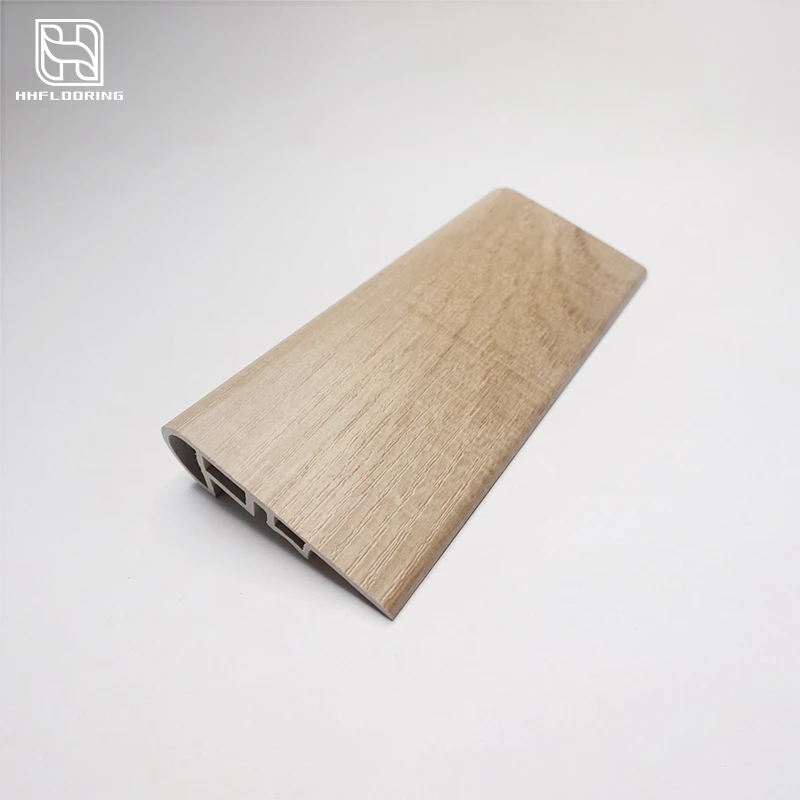

For example, if you have a modern basement with concrete floors, you might want to go for a sleek, black vinyl stair nose. Or if your basement has a more rustic feel, a wood-look vinyl stair nose could be a great choice.
Cost
Cost is always a factor when it comes to home improvement projects. Luxury vinyl stair noses are generally more affordable than other types of stair noses, like hardwood or stone. This makes them a great option for budget-conscious homeowners.
Not only are they affordable upfront, but they also require very little maintenance. You won't have to spend a lot of money on repairs or replacements over the years, which can save you even more in the long run.
Maintenance
Maintaining a stair nose in a basement is easy, especially if you choose a luxury vinyl one. All you need to do is sweep or vacuum the stairs regularly to remove dirt and debris. You can also use a damp mop to clean the stair nose if it gets dirty.
Unlike wooden stair noses, you don't have to worry about sanding, staining, or refinishing a vinyl stair nose. It'll look great for years with minimal effort on your part.
Safety Considerations
Safety is always a top priority, especially when it comes to stairs. As I mentioned earlier, a stair nose can help reduce the risk of tripping. But in a basement, there are a few other safety considerations you need to keep in mind.
For example, make sure the stair nose has a non-slip surface. This is especially important if the basement gets wet from time to time, like if there's a leak or if someone spills water on the stairs. A non-slip stair nose can help prevent accidents and keep your family safe.
Conclusion
So, to answer the question, yes, a stair nose can definitely be used on stairs in a residential basement. And if you're looking for the best option, I highly recommend Luxury Vinyl Stair Nose. It's waterproof, durable, affordable, and easy to maintain.
If you're interested in purchasing stair noses for your basement or have any questions, feel free to reach out. I'd be more than happy to help you find the perfect stair nose for your needs and guide you through the installation process.
References
- General knowledge about home improvement and stair noses.
- Manufacturer's information on luxury vinyl stair noses.