


As an LVT flooring supplier, I've encountered numerous inquiries from customers regarding the necessity of special underlayment for LVT flooring. In this blog post, I'll delve into this topic, exploring whether LVT flooring truly requires any special underlayment, the factors to consider, and the benefits it can bring.
Understanding LVT Flooring
LVT, or Luxury Vinyl Tile, is a popular flooring choice known for its durability, versatility, and aesthetic appeal. It mimics the look of natural materials such as wood, stone, or tile, offering a cost - effective alternative without compromising on style. LVT comes in various formats, including planks and tiles, and can be installed in a wide range of settings, from residential homes to commercial spaces.
One of the key advantages of LVT is its relatively easy installation process. It can be installed using a floating floor method, which means it doesn't need to be glued directly to the subfloor in most cases. This makes it a convenient option for DIY enthusiasts and professional installers alike.
The Role of Underlayment
Underlayment is a layer placed between the subfloor and the LVT flooring. Its primary functions include providing cushioning, sound insulation, moisture protection, and leveling the subfloor. A good underlayment can enhance the performance and longevity of the LVT flooring, as well as improve the overall comfort of the space.
Does LVT Flooring Require Special Underlayment?
The answer to this question is not straightforward. In some cases, LVT flooring can be installed directly on a suitable subfloor without the need for any underlayment. However, there are several situations where using an underlayment, and sometimes a special one, is highly recommended.
Moisture Protection
Moisture is one of the biggest enemies of any flooring material, including LVT. If the subfloor is prone to moisture, such as in basements or areas with high humidity, a moisture - resistant underlayment is essential. Special underlayments with a vapor barrier can prevent moisture from seeping through the subfloor and damaging the LVT. This is particularly important because excessive moisture can cause the LVT to warp, buckle, or delaminate over time.
Sound Insulation
In multi - level buildings or areas where noise reduction is a concern, an underlayment with good sound - absorbing properties can make a significant difference. Special acoustic underlayments are designed to reduce impact noise, such as footsteps or the sound of dropped objects. They can also help to minimize airborne noise transmission between floors. For example, in an apartment building, using an acoustic underlayment under LVT flooring can improve the living experience for both the occupants of the unit and those below.
Subfloor Imperfections
If the subfloor has minor imperfections, such as small bumps, dips, or unevenness, an underlayment can help to level the surface. Some underlayments are self - leveling or have a forgiving nature that can compensate for these irregularities. This ensures a smooth and even installation of the LVT flooring, which not only looks better but also helps to prevent premature wear and tear.
Comfort
For areas where people will be standing or walking for long periods, such as kitchens or retail stores, an underlayment can add an extra layer of comfort. Special cushioned underlayments can provide a softer surface to walk on, reducing fatigue and stress on the feet and joints. This can be especially beneficial in commercial settings where employee comfort is important.
Types of Underlayment for LVT Flooring
There are several types of underlayment available for LVT flooring, each with its own characteristics and benefits.
Foam Underlayment
Foam underlayment is a popular choice for LVT flooring. It is lightweight, easy to install, and provides good cushioning. Foam underlayments can also offer some degree of sound insulation. However, they may not be as effective in terms of moisture protection as some other types of underlayment.
Cork Underlayment
Cork underlayment is a natural and eco - friendly option. It has excellent sound - absorbing properties and is also resistant to moisture to a certain extent. Cork underlayment can add a warm and soft feel to the floor, making it a great choice for residential applications.
Rubber Underlayment
Rubber underlayment is known for its durability and high - level of sound insulation. It is also resistant to moisture and can withstand heavy traffic. Rubber underlayments are often used in commercial settings, such as gyms or office buildings.

Our LVT Flooring Offerings
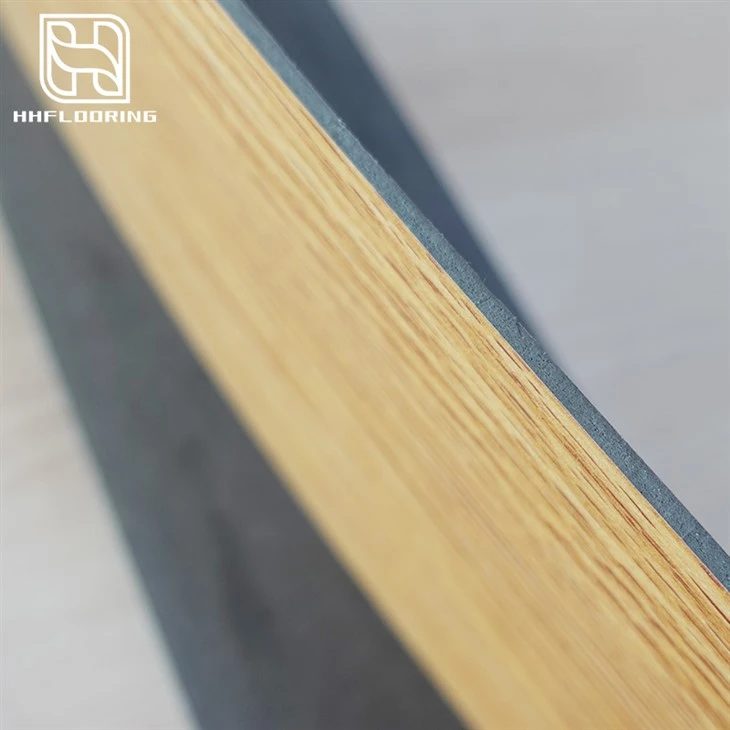
At our company, we offer a wide range of LVT flooring options, including Lvt Oak Herringbone and Lvt Vinyl Plank Flooring. Our LVT products are of the highest quality, with realistic designs and excellent performance.
When it comes to underlayment, we can provide expert advice on the best type of underlayment for your specific project. Whether you need moisture protection, sound insulation, or a combination of both, we have the knowledge and experience to help you make the right choice.
Conclusion
In conclusion, while LVT flooring can sometimes be installed without underlayment, in many cases, using a special underlayment can bring significant benefits. Moisture protection, sound insulation, subfloor leveling, and comfort are all important factors to consider when deciding whether to use an underlayment and which type to choose.
If you're considering purchasing LVT flooring for your next project, we encourage you to reach out to us. Our team of experts is ready to assist you in selecting the right LVT flooring and underlayment combination. We can provide detailed information, samples, and even installation guidance. Contact us today to start your flooring project on the right foot.
References
- Armstrong Flooring. (2023). LVT Flooring Installation Guide.
- Shaw Floors. (2023). Best Practices for LVT Flooring.
- Mohawk Industries. (2023). Underlayment Options for Flooring.