


Selecting the right fasteners for outdoor wallboard installation is a crucial step that can significantly impact the durability, stability, and overall aesthetic of your project. As an Outdoor Wallboard supplier, I understand the importance of this decision and am here to guide you through the process.
Understanding the Basics of Fasteners
Before delving into the selection process, it's essential to understand the different types of fasteners available. The most common types used for outdoor wallboard installation include nails, screws, and clips.
Nails are a traditional choice and are known for their ease of use. They are typically made of steel and come in various sizes and finishes. Nails are driven into the wallboard and the underlying structure, providing a secure hold. However, they may not be the best choice for areas with high wind or seismic activity, as they can loosen over time.
Screws, on the other hand, offer a more secure and long-lasting solution. They are available in different materials, such as stainless steel and aluminum, which are resistant to corrosion. Screws are threaded into the wallboard and the structure, creating a tight connection. They are also easier to remove and replace if necessary.
Clips are a relatively new option and are becoming increasingly popular for outdoor wallboard installation. They are typically made of plastic or metal and are designed to hold the wallboard in place without the need for drilling or nailing. Clips are easy to install and can be adjusted to ensure a perfect fit. They are also ideal for use with lightweight wallboards.
Factors to Consider When Selecting Fasteners
When selecting fasteners for outdoor wallboard installation, several factors need to be taken into account. These include:
- Material Compatibility: The fasteners you choose should be compatible with the material of the wallboard and the underlying structure. For example, if you are using a wooden wallboard, you should choose nails or screws that are specifically designed for use with wood. Using incompatible fasteners can cause damage to the wallboard and the structure, leading to premature failure.
- Environmental Conditions: The outdoor environment can be harsh, with exposure to moisture, sunlight, and extreme temperatures. Therefore, it's important to choose fasteners that are resistant to corrosion and weathering. Stainless steel and aluminum are excellent choices for outdoor applications, as they are highly resistant to rust and other forms of corrosion.
- Load Capacity: The fasteners you choose should be able to support the weight of the wallboard and any additional loads, such as wind or snow. It's important to consult the manufacturer's specifications to determine the appropriate load capacity for your project. Using fasteners with a lower load capacity than required can result in the wallboard sagging or even falling off.
- Aesthetic Considerations: The fasteners you choose should also complement the overall aesthetic of the wallboard. For example, if you are using a decorative wallboard, you may want to choose fasteners that are hidden or that blend in with the wallboard. On the other hand, if you are using a more industrial-style wallboard, you may want to choose fasteners that are visible and add to the overall look of the installation.
Selecting the Right Fasteners for Different Types of Outdoor Wallboards
Different types of outdoor wallboards require different types of fasteners. Here are some guidelines to help you select the right fasteners for the most common types of outdoor wallboards:

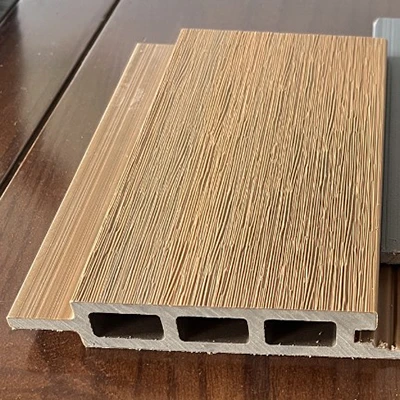
- Wooden Wallboards: Wooden wallboards are a popular choice for outdoor applications due to their natural beauty and durability. For wooden wallboards, nails or screws are the most commonly used fasteners. When using nails, it's important to choose nails that are long enough to penetrate the wallboard and the underlying structure. Screws are a better choice for areas with high wind or seismic activity, as they provide a more secure hold.
- Fiber Cement Wallboards: Fiber cement wallboards are a durable and low-maintenance option for outdoor applications. They are typically installed using screws or clips. When using screws, it's important to choose screws that are specifically designed for use with fiber cement. These screws have a special coating that prevents them from corroding and damaging the wallboard. Clips are also a popular choice for fiber cement wallboards, as they are easy to install and can be adjusted to ensure a perfect fit.
- Vinyl Wallboards: Vinyl wallboards are a lightweight and affordable option for outdoor applications. They are typically installed using clips or nails. When using clips, it's important to choose clips that are specifically designed for use with vinyl. These clips have a special design that prevents them from damaging the wallboard. Nails can also be used to install vinyl wallboards, but they should be used sparingly, as they can cause the wallboard to crack or warp.
- 3d Wall Tile: 3D wall tiles are a unique and decorative option for outdoor applications. They are typically installed using adhesive or clips. When using adhesive, it's important to choose an adhesive that is specifically designed for use with 3D wall tiles. These adhesives have a strong bond and can withstand the outdoor environment. Clips are also a popular choice for 3D wall tiles, as they are easy to install and can be adjusted to ensure a perfect fit.
Installation Tips
Once you have selected the right fasteners for your outdoor wallboard installation, it's important to follow the manufacturer's instructions carefully. Here are some general installation tips to help you ensure a successful installation:
- Prepare the Surface: Before installing the wallboard, it's important to prepare the surface by cleaning it and making sure it is level and smooth. Any unevenness or debris on the surface can cause the wallboard to warp or not fit properly.
- Use the Right Tools: Using the right tools is essential for a successful installation. Make sure you have the appropriate drill, screwdriver, or nail gun for the type of fasteners you are using. Using the wrong tools can damage the wallboard and the fasteners.
- Follow the Spacing Guidelines: The manufacturer's instructions will typically provide guidelines on the spacing of the fasteners. It's important to follow these guidelines carefully to ensure a secure and stable installation. Using too few fasteners can result in the wallboard sagging or falling off, while using too many fasteners can cause the wallboard to crack or warp.
- Check for Level and Plumb: As you install the wallboard, it's important to check for level and plumb regularly. This will ensure that the wallboard is straight and that the joints are tight. Using a level and a plumb bob can help you achieve a professional-looking installation.
Conclusion
Selecting the right fasteners for outdoor wallboard installation is a critical step that can significantly impact the success of your project. By considering the factors discussed in this blog post and following the installation tips, you can ensure a secure, stable, and aesthetically pleasing installation. If you have any questions or need further assistance, please don't hesitate to contact us to discuss your specific needs and explore our wide range of Outdoor Wallboard products and suitable fasteners. We look forward to helping you with your next outdoor wallboard project.
References
- "Fasteners for Outdoor Applications." Engineering ToolBox.
- "Selecting the Right Fasteners for Your Project." Fastenal.
- "Outdoor Wallboard Installation Guide." [Your Outdoor Wallboard Supplier].