


When it comes to staircase construction and renovation, two key components that often come into play are stair noses and stair risers. As a stair nose supplier, I've had numerous conversations with clients who are sometimes confused about the differences between these two elements. In this blog post, I'll delve into the distinct characteristics of stair noses and stair risers, their functions, and how they contribute to the overall aesthetics and safety of a staircase.
What is a Stair Nose?
A stair nose is a specialized molding that is installed on the edge of each step where the tread (the horizontal part of the step) meets the riser (the vertical part of the step). Its primary function is to provide a smooth transition between the tread and the next step, protecting the edge of the tread from wear and tear, and enhancing the safety of the staircase.
Stair noses come in a variety of materials, including wood, metal, and vinyl. Luxury Vinyl Stair Nose is a popular choice due to its durability, affordability, and ease of installation. It is also available in a wide range of colors and styles, making it easy to match the existing decor of your staircase.
One of the key benefits of using a stair nose is that it helps to prevent accidents by providing a clear visual and tactile cue for users to know where the edge of the step is. This is especially important in areas with low lighting or where there are children or elderly people using the staircase. Additionally, a stair nose can help to protect the edge of the tread from damage caused by foot traffic, furniture, or other objects.
What is a Stair Riser?
A stair riser is the vertical board that fills the space between each tread. Its main function is to provide support and stability to the staircase, as well as to prevent objects from falling through the gaps between the steps. Stair risers can be made from a variety of materials, including wood, metal, glass, and drywall.
The height of a stair riser is an important factor to consider when designing a staircase. According to building codes, the height of each riser should be consistent throughout the staircase, with a maximum variation of 3/8 inch. This helps to ensure that the staircase is safe and comfortable to use.
In addition to its functional role, a stair riser can also have a significant impact on the overall aesthetics of a staircase. A solid wood riser can add a touch of warmth and elegance to a traditional staircase, while a glass riser can create a modern and contemporary look. Stair risers can also be painted or stained to match the color of the treads or to create a contrast with the surrounding decor.
Differences Between a Stair Nose and a Stair Riser
Now that we've defined what a stair nose and a stair riser are, let's take a closer look at the key differences between these two elements:
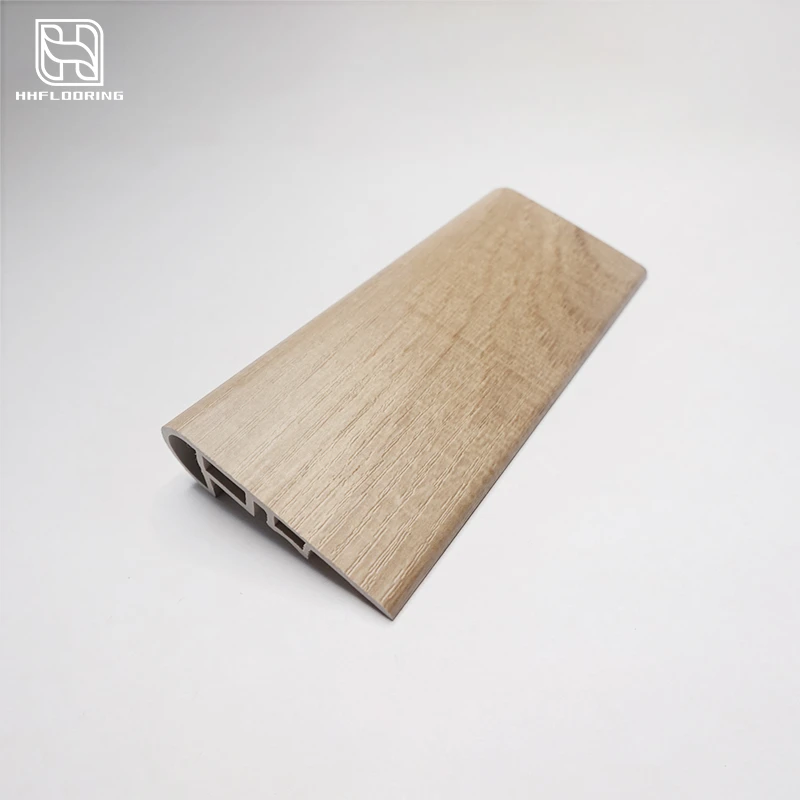

- Function: The primary function of a stair nose is to protect the edge of the tread and to provide a smooth transition between the steps, while the main function of a stair riser is to provide support and stability to the staircase and to prevent objects from falling through the gaps between the steps.
- Location: A stair nose is installed on the edge of each tread, while a stair riser is installed between each tread.
- Material: Stair noses can be made from a variety of materials, including wood, metal, and vinyl, while stair risers can be made from wood, metal, glass, drywall, and other materials.
- Appearance: Stair noses are typically designed to blend in with the treads, while stair risers can be used to create a contrast or to add a decorative element to the staircase.
Choosing the Right Stair Nose and Stair Riser for Your Staircase
When choosing a stair nose and a stair riser for your staircase, there are several factors to consider, including the style of your staircase, the material of the treads, and your budget. Here are some tips to help you make the right choice:
- Consider the Style of Your Staircase: The style of your staircase will play a significant role in determining the type of stair nose and stair riser that you choose. For example, if you have a traditional staircase, you may want to choose a wood stair nose and a solid wood riser to match the existing decor. On the other hand, if you have a modern staircase, you may want to consider a glass riser or a metal stair nose to create a contemporary look.
- Choose the Right Material: The material of the stair nose and stair riser should be chosen based on the material of the treads and the level of traffic on the staircase. For example, if you have hardwood treads, you may want to choose a wood stair nose to match the existing flooring. If you have a high-traffic staircase, you may want to choose a more durable material, such as metal or vinyl.
- Consider Your Budget: The cost of a stair nose and a stair riser can vary depending on the material, style, and size. When choosing a stair nose and a stair riser, it's important to consider your budget and to choose a product that offers the best value for your money.
Conclusion
In conclusion, stair noses and stair risers are two important components of a staircase that serve different functions and contribute to the overall aesthetics and safety of the staircase. As a stair nose supplier, I understand the importance of choosing the right stair nose and stair riser for your staircase. Whether you're building a new staircase or renovating an existing one, I can help you find the perfect stair nose and stair riser to meet your needs and budget.
If you're interested in learning more about our stair nose products or if you have any questions about staircase construction or renovation, please don't hesitate to contact us. We'd be happy to help you with your project and to provide you with the information and support that you need.
References
- Building Codes: International Building Code (IBC), International Residential Code (IRC)
- Staircase Design Guidelines: American Society of Civil Engineers (ASCE)
- Material Selection: National Wood Flooring Association (NWFA), Metal Construction Association (MCA)