


Hey there! As a WPC decking supplier, I often get asked about the difference between WPC decking and composite decking. It's a common question, and it's important to understand the distinctions before making a decision for your decking project. So, let's dive right in and break it down.
What is WPC Decking?
First off, let's talk about WPC decking. WPC stands for Wood - Plastic Composite. It's a material that combines wood fibers and plastic polymers. The wood fibers give it a natural look and feel, similar to real wood, while the plastic polymers add durability and resistance to various elements.
One of the big advantages of WPC decking is its low maintenance. You don't have to worry about staining, painting, or sealing it regularly like you would with traditional wood decks. It's also highly resistant to rot, decay, and insect damage. For example, if you live in an area with a lot of termites or other wood - boring insects, WPC decking can be a great option as it won't be their next meal.
We offer a variety of WPC decking products, such as Wpc Teak Deck. This type of decking mimics the beautiful look of teak wood, which is known for its elegance and high - end appearance. It's perfect for those who want the look of teak without the high cost and maintenance. Another popular option is Solid Wpc Decking. Solid WPC decking is extremely sturdy and can withstand heavy foot traffic, making it ideal for commercial as well as residential use. And if you're into a more modern, minimalist look, our Wpc Decking Grey is a great choice. It gives your outdoor space a sleek and contemporary feel.
What is Composite Decking?
Composite decking, on the other hand, is a broader term. It also combines wood and plastic, but the composition can vary more widely compared to WPC decking. Some composite decking may have a higher percentage of plastic, while others may have more wood content.
Composite decking is also low - maintenance, which is a huge plus for busy homeowners. It doesn't splinter or crack as easily as natural wood, and it can last for many years with proper care. However, the quality of composite decking can vary significantly depending on the manufacturer and the specific product.

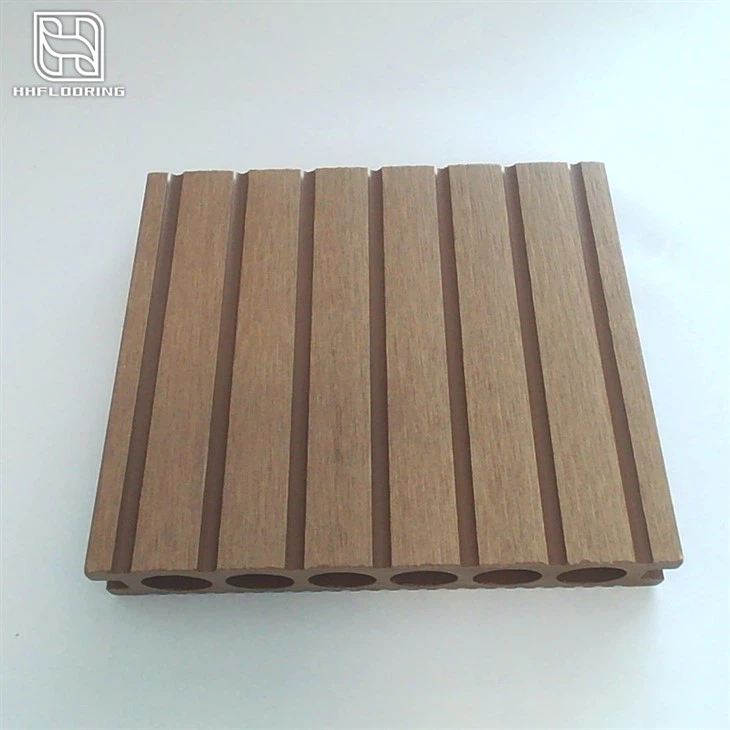
Many composite decking products come with a longer warranty, which can give you peace of mind. But keep in mind that a longer warranty doesn't always mean better quality. You still need to do your research and look at factors like the material's strength, colorfastness, and resistance to fading.
Key Differences
Material Composition
As mentioned earlier, WPC decking has a more defined composition of wood fibers and plastic polymers. The ratio is usually more consistent across different products. In contrast, composite decking can have a wider range of material ratios. Some composite decking may include other additives like recycled materials, which can affect its performance and appearance.
Appearance
WPC decking often has a more natural wood - like appearance. The wood fibers in it give it a grain pattern that closely resembles real wood. Composite decking can also look like wood, but some products may have a more artificial or plastic - looking finish, especially if they have a higher plastic content.
Durability
Both WPC and composite decking are durable, but there are some differences. WPC decking is generally more resistant to scratches and dents because of its balanced composition. Composite decking, depending on the quality, may be more prone to surface damage. For example, if you have a lot of heavy furniture or sharp objects being moved around on your deck, WPC decking might hold up better.
Cost
Cost can be a deciding factor for many people. WPC decking is usually in the mid - range price point. It's more affordable than high - end natural wood decking but may be a bit more expensive than some lower - quality composite decking options. Composite decking prices can vary widely, from very budget - friendly to quite expensive, depending on the brand and features.
Which One Should You Choose?
The choice between WPC decking and composite decking depends on your specific needs and preferences. If you want a deck that looks and feels like real wood and has excellent scratch and dent resistance, WPC decking might be the way to go. It's also a great option if you're looking for a product with a consistent quality and appearance.
On the other hand, if you're on a tight budget and don't mind sacrificing a bit of the natural look for a more affordable option, some composite decking products could work for you. Just make sure to read reviews and check the warranty before making a purchase.
Conclusion
In conclusion, both WPC decking and composite decking have their pros and cons. As a WPC decking supplier, I'm obviously a big fan of WPC decking, but I also understand that every customer has different requirements. Whether you're building a new deck for your backyard or renovating an existing one, it's important to do your research and choose the product that best suits your needs.
If you're interested in learning more about our WPC decking products or have any questions about the differences between WPC and composite decking, feel free to reach out. We're here to help you make the right decision for your decking project. Let's start a conversation and get your dream deck up and running!
References
- "Decking Materials: A Guide to Wood, Composite, and More." Home Improvement Magazine.
- "Comparing WPC and Composite Decking: What You Need to Know." Outdoor Living Journal.