


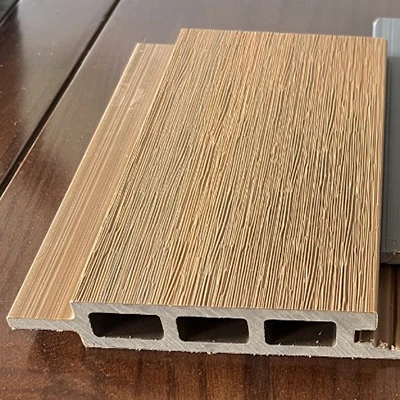
As a supplier of Outdoor Wallboard, I often receive inquiries from customers about the maximum height for installing outdoor wallboards. This is a crucial question because the installation height can significantly affect the performance, safety, and aesthetic appeal of the wallboards. In this blog post, I'll delve into the factors that determine the maximum installation height, provide some general guidelines, and share some insights based on my experience in the industry.
Factors Affecting the Maximum Installation Height
Structural Integrity
The structural integrity of the building or structure where the outdoor wallboards are to be installed is the primary factor. The wall or support system must be able to bear the weight of the wallboards, especially at greater heights. For instance, a well - engineered steel frame structure can support heavier and taller installations compared to a simple wooden frame. Engineers typically conduct load - bearing calculations to ensure that the structure can handle the additional weight of the wallboards. If the structure is not strong enough, it may lead to sagging, cracking, or even collapse of the wallboards over time.
Material Properties
Different types of outdoor wallboards have varying physical properties that influence their maximum installation height. Some materials are more flexible, while others are rigid. Rigid materials like concrete or stone - based wallboards are generally heavier but can provide better stability at greater heights. On the other hand, lighter and more flexible materials such as fiber - reinforced polymers may be more suitable for lower - height installations or areas with potential for movement. The strength, stiffness, and durability of the material play a vital role in determining how high it can be installed safely.
Wind Load
Wind is a significant factor when considering the maximum installation height of outdoor wallboards. As the height increases, the wind pressure on the wallboards also increases. High - rise installations are more exposed to strong winds, which can cause the wallboards to vibrate, flex, or even detach if not properly secured. Wind load calculations take into account factors such as the local wind speed, the shape and size of the building, and the orientation of the wallboards. Special wind - resistant fasteners and installation techniques may be required for installations at greater heights to ensure the wallboards can withstand the wind forces.

Aesthetic and Maintenance Considerations
Aesthetically, the installation height can impact the overall look of the building. Wallboards installed at very high heights may be difficult to view clearly from the ground, and the choice of color, texture, and pattern may need to be adjusted accordingly. Additionally, maintenance becomes more challenging as the height increases. Cleaning, repairing, or replacing wallboards at great heights may require specialized equipment and trained personnel, which can add to the long - term costs.
General Guidelines for Installation Height
Based on industry standards and best practices, here are some general guidelines for the maximum installation height of outdoor wallboards:
Low - Rise Buildings (Up to 10 Meters)
For low - rise buildings such as single - family homes, small commercial buildings, or garden structures, outdoor wallboards can typically be installed up to 10 meters without significant structural or wind - related concerns. In these cases, most types of wallboards, including 3d Wall Tile and standard Outdoor Wallboard, can be used. The installation process is relatively straightforward, and basic fastening methods can be employed.
Mid - Rise Buildings (10 - 30 Meters)
In mid - rise buildings, such as multi - story apartments or medium - sized office buildings, the installation height requires more careful consideration. The wallboards need to be properly engineered to withstand the increased wind loads and structural stresses. For these heights, it is advisable to use high - strength materials and advanced installation techniques. Specialized fasteners and anchors may be required to ensure a secure connection between the wallboards and the building structure.
High - Rise Buildings (Above 30 Meters)
Installing outdoor wallboards on high - rise buildings is a complex task that requires in - depth engineering and strict compliance with building codes. Only materials specifically designed for high - rise applications should be used. These materials are often tested to meet high wind - load and fire - resistance standards. The installation process involves detailed planning, including the use of scaffolding or cranes for access, and continuous monitoring during and after installation to ensure the safety and performance of the wallboards.
Case Studies
Let's look at a few case studies to illustrate the importance of considering the maximum installation height:
Case 1: A Low - Rise Residential Project
A single - family home in a suburban area wanted to install outdoor wallboards for aesthetic purposes. The installation height was approximately 6 meters. The homeowners chose a lightweight and easy - to - install Outdoor Wallboard. The installation was completed without any major issues, and the wallboards have provided a fresh and modern look to the house for several years.
Case 2: A Mid - Rise Office Building
A 20 - meter - high office building decided to upgrade its exterior with new wallboards. The project team worked closely with engineers to select a high - strength composite material that could withstand the local wind loads. Specialized installation brackets were used to secure the wallboards, and the result was a durable and visually appealing facade that enhanced the building's image.
Case 3: A High - Rise Commercial Tower
A 50 - meter - high commercial tower required a state - of - the - art wallboard system. The project involved a team of architects, engineers, and contractors. They chose a glass - reinforced concrete material known for its strength and aesthetic versatility. The installation was carried out with precision using advanced machinery and strict quality control measures. The wallboards not only provided excellent protection against the elements but also added a touch of elegance to the building.
Conclusion
Determining the maximum height for installing outdoor wallboards is a complex process that involves considering multiple factors, including structural integrity, material properties, wind load, and aesthetic and maintenance requirements. By following industry guidelines and best practices, and working with experienced professionals, you can ensure a safe and successful installation.
As a supplier of Outdoor Wallboard, I am committed to providing high - quality products and expert advice to our customers. Whether you are working on a low - rise, mid - rise, or high - rise project, we have the right wallboard solutions for you. If you are interested in learning more about our products or discussing your specific project requirements, please feel free to contact us. We look forward to the opportunity to work with you on your next outdoor wallboard installation project.
References
- Building Codes and Standards: Various national and international building codes provide guidelines on the installation of exterior wall cladding, including outdoor wallboards.
- Material Manufacturer Specifications: Manufacturers of outdoor wallboards typically provide detailed information on the maximum installation height and other installation requirements for their products.
- Engineering Studies: Research studies on wind loads, structural analysis, and material performance in high - rise applications contribute to the understanding of the maximum installation height of outdoor wallboards.