


Hey there! As a floor reducer supplier, I often get asked a bunch of questions about using floor reducers for different types of flooring transitions. One question that pops up quite a bit is, "Can a floor reducer be used for laminate - to - tile transitions?" Well, let's dig into this topic and find out.
First off, let's understand what a floor reducer is. A floor reducer is an essential accessory in the world of flooring. It's basically a strip that's used to bridge the gap between two different types of flooring materials or between areas where the same flooring has different thicknesses. It not only provides a smooth transition but also adds a finishing touch to your floors, making them look more professional and polished.
Now, when it comes to laminate and tile flooring, they have their own unique characteristics. Laminate flooring is a popular choice because it's relatively inexpensive, easy to install, and comes in a wide variety of styles that can mimic the look of real wood or stone. On the other hand, tile flooring is known for its durability, water - resistance, and the ability to create beautiful, intricate designs. But when you want to connect these two types of flooring in the same room, you've got to think about how to do it right.
The short answer is yes, a floor reducer can be used for laminate - to - tile transitions. However, there are a few things you need to consider before making that decision.
Compatibility
The first thing to look at is the compatibility of the floor reducer with both the laminate and tile flooring. You need to make sure that the reducer is designed to work with the specific thickness and type of your laminate and tile. For example, if your laminate is a thicker, high - end product and your tile is a standard ceramic tile, you'll need a reducer that can handle the difference in height.
We offer a great selection of Vinyl Plank Reducer and Laminate Reducer Molding that are designed to be compatible with a wide range of flooring materials. These reducers are made from high - quality materials that can withstand the wear and tear of daily use.
Height Difference
One of the most crucial factors in using a floor reducer for a laminate - to - tile transition is the height difference between the two floors. In most cases, laminate flooring is thinner than tile flooring. A good floor reducer should be able to smoothly bridge this height difference, creating a safe and seamless transition.
If the height difference is too large, a standard floor reducer might not work. In such cases, you may need to use a transition strip that's specifically designed for larger height variations. Our team can help you choose the right reducer based on the exact height difference between your laminate and tile.
Installation
Installing a floor reducer for a laminate - to - tile transition is not overly complicated, but it does require some attention to detail. First, you need to make sure that the edges of both the laminate and tile are clean and straight. Any uneven edges can make it difficult to install the reducer properly.
You'll also need to use the right adhesive. For laminate flooring, a special laminate adhesive is usually recommended. For tile, you can use a tile adhesive that's suitable for the type of tile you have. Make sure to follow the manufacturer's instructions when applying the adhesive to ensure a strong and long - lasting bond.
Another important aspect of installation is the alignment. The floor reducer should be aligned perfectly with both the laminate and tile to create a smooth and even transition. You can use a straightedge or a level to help you with this.
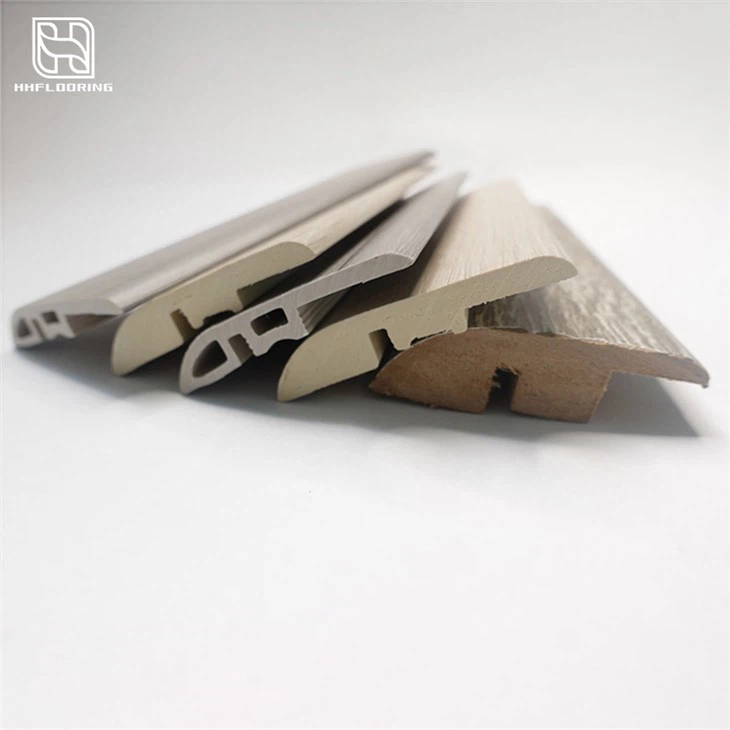

Aesthetics
Let's not forget about how the floor reducer looks. After all, you want your floors to look good. The right floor reducer can enhance the overall appearance of your room by creating a cohesive look between the laminate and tile.
You can choose from different colors and finishes to match your existing flooring. For example, if you have a light - colored laminate and a dark - colored tile, you can select a floor reducer that has a neutral color to blend in with both.
Benefits of Using a Floor Reducer for Laminate - to - Tile Transitions
There are several benefits to using a floor reducer for this type of transition.
- Safety: A smooth transition between the laminate and tile reduces the risk of tripping and falling. This is especially important in areas with high foot traffic, such as hallways and entryways.
- Durability: A good floor reducer can protect the edges of both the laminate and tile from damage. It acts as a buffer, preventing the floors from chipping or cracking due to regular use.
- Easy Maintenance: Since the floor reducer creates a seamless transition, it's easier to clean the area between the laminate and tile. There are no gaps or uneven surfaces where dirt and debris can accumulate.
Potential Challenges
While using a floor reducer for laminate - to - tile transitions has many advantages, there are also some potential challenges you might face.
- Expansion and Contraction: Both laminate and tile flooring can expand and contract due to changes in temperature and humidity. This can put stress on the floor reducer, causing it to loosen or crack over time. To prevent this, make sure to leave some expansion space around the reducer during installation.
- Moisture: If the area where the laminate and tile meet is prone to moisture, such as in a bathroom or a kitchen, you need to choose a floor reducer that's water - resistant. Otherwise, the moisture can cause the reducer to warp or rot.
In conclusion, a floor reducer can definitely be used for laminate - to - tile transitions. It offers a practical and aesthetically pleasing solution to connect these two popular types of flooring. However, you need to carefully consider factors like compatibility, height difference, installation, and aesthetics.
If you're thinking about using a floor reducer for your laminate - to - tile transition, don't hesitate to reach out to us. We're here to help you choose the right product and provide you with all the information you need for a successful installation. Whether you're a DIY enthusiast or a professional contractor, we've got the expertise and the products to meet your needs. Let's work together to make your floors look amazing!
References
- Flooring Installation Handbook, various editions.
- Manufacturer's guides for laminate and tile flooring.